Patriarchal Site
Beersheba
beer-SHEE-buh · Modern Tel Be'er Sheva, Israel · 31.2447° N, 34.8408° E
Beersheba ("Well of the Oath/Seven") marks the traditional southern boundary of Israel in the phrase "from Dan to Beersheba," and is where Abraham dug a well and made a covenant with Abimelech (Genesis 21:22-34), and where Isaac and Jacob later encountered God (Genesis 26, 46:1-5).
Archaeology
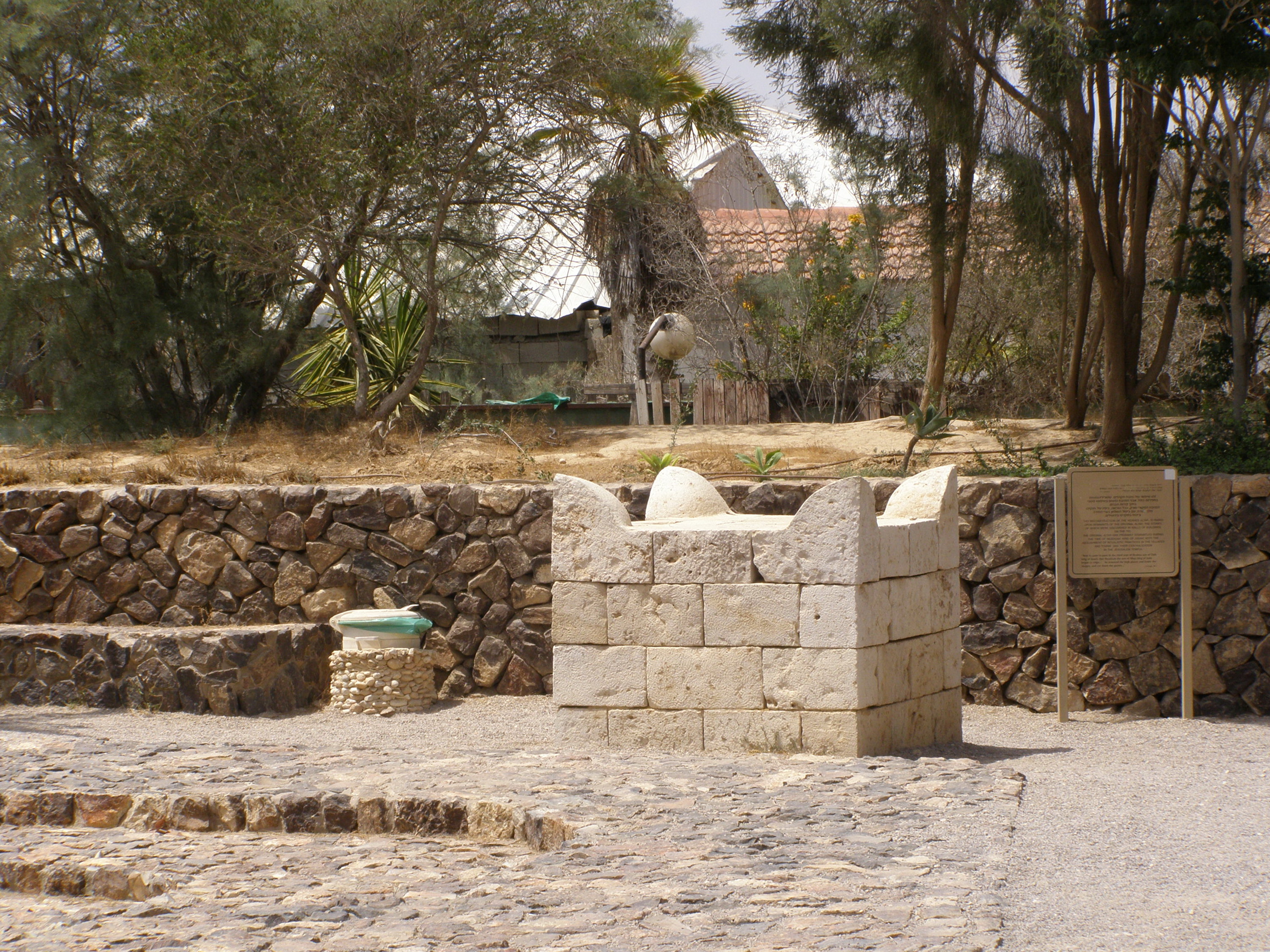
Excavations from 1969 to 1976 under Y. Aharoni for Tel Aviv University, with the last season directed by Z. Herzog, and later work on the water system, uncovered a planned Iron Age fortified city with a casemate wall, a four-chambered gate and an elaborate underground water system. In 1973 the ashlar blocks of a large four-horned altar were recognised built into the wall of a Stratum II storehouse — dismantled carefully rather than smashed, three of its four horns intact. It is the best-preserved Israelite burnt-offering altar yet found, and who took it down is genuinely disputed: Y. Aharoni and Z. Herzog read it as Hezekiah's reform, Y. Yadin argued in 1976 for Josiah's, and N. Na'aman and others hold that the archaeological case for either reform has not been made. The Beersheba Horned Altar has its own article. One thing was not found here and its absence matters: no sanctuary building has ever been located at the site, and where it stood, or whether it existed, was the subject of a published exchange between Yadin and the excavators in 1976 and 1977.

On a modern map
Further reading
Reflect
Hagar, Abraham, Isaac, and Jacob all met God around Beersheba on the way to somewhere else — how do you meet God in transitional places?
Capstone Bible is a free interactive study app — a map of every place in this library, a zoomable timeline of biblical and church history, the Bible text with every name in it linked to its article, reading plans and personal notes.
Open Capstone Bible